继承者们
PLA Navy Task Force 83 returns after completing far-sea training and visits to Russia, Vietnam, Brunei and Indonesia_我的网站

一 | 目前,以大语言模型为核心的生成式人工智能技术正加速融入消费生活各类场景。人工智能在提升消费便利和服务效率的同时,因信息生成具有一定不确定性,也可能出现信息不准确、表述不严谨、承诺与实际情况不一致等问题。例如,提供与实际不符的费率信息、作出难以兑现的赔付表述、提供片面或欠审慎的法律建议等,可能影响消费者判断和选择,甚至造成经济损失。

二 | 根据相关舆情和全国消协组织近期接收的相关投诉情况,人工智能服务引发的消费问题,在不同应用场景下具有不同特点。
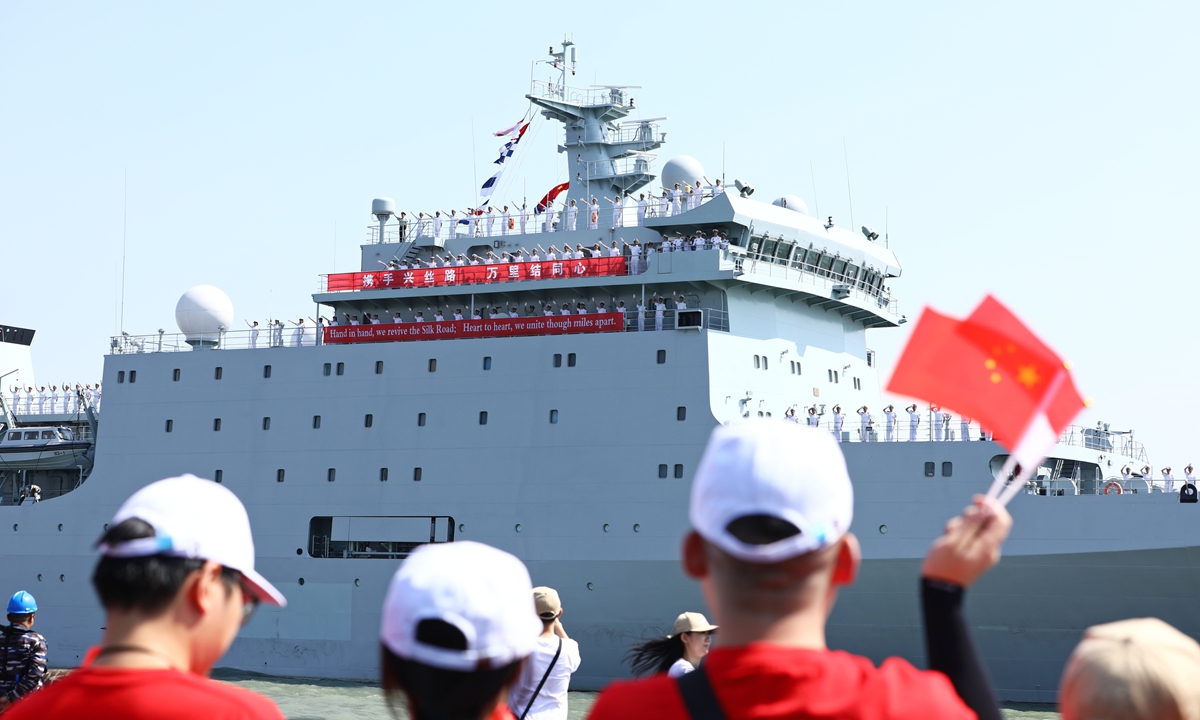
The Chinese People's Liberation Army (PLA) Navy Task Force 83, comprising the training ship Qi Jiguang and the amphibious dock landing ship Kunlunshan, returned to Dalian, Northeast China's Liaoning Province, on Monday after successfully completing its far-sea comprehensive training and visit missions to Russia, Vietnam, Brunei and Indonesia, per official release on Tuesday.
The trainees participating in the mission came from the Naval University of Engineering, the Naval Submarine Academy and the Dalian Naval Academy, along with 19 foreign personnel from 10 countries, including Brazil, Indonesia, Bangladesh and Vietnam, who trained alongside their Chinese counterparts in integrated formations, according to China's Ministry of National Defense.
Since setting sail on June 15, the formation has passed through the Yellow Sea, East China Sea, Sea of Japan and South China Sea, transiting key waterways including the Tsushima Strait, the Taiwan Strait and the Karimata Strait, said the report.
The 64-day voyage covered over 11,000 nautical miles. Throughout the journey, the formation adhered to the principle of "training, studying, researching and improving along the way", completing training schedules while organizing trainees for on-the-job exercises, honing their comprehensive capabilities in the far seas and laying a solid foundation for future service.
The formation conducted goodwill visits to Russia, Vietnam, Brunei and Indonesia, hosting four deck receptions and 16 ship open days, inviting foreign civilians, overseas Chinese and foreign military representatives aboard for visits. The formation also engaged in ship exchanges, friendly sports matches and discussions with local institutions, effectively enhancing mutual trust and friendship with the visited countries.
Throughout the mission, soldiers and trainees completed each task to high standards. The mission effectively bridged academy education with frontline training, enhancing the trainees' naval professionalism, operational competence and international perspective, while showcasing the PLA Navy's positive image and putting into practice the vision of a maritime community with a shared future.
The integrated training model that brings together Chinese and foreign cadets holds value in helping young officers build cross-cultural understanding, fostering substantive mutual trust and laying a foundation for future practical cooperation in areas such as maritime security coordination and joint search and rescue, Wang Yunfei, a Chinese military affairs expert, told the Global Times.
Wang said the combination of a training ship and a dock landing ship carries an educational connotation, making the visit appear as a peaceful, goodwill mission rather than a show of force, while the dock landing ship also highlights the Navy's multi-mission capabilities in far-sea projection, humanitarian aid and disaster relief.
This combination, accompanied by a range of exchange activities, not only helps shape an image of the Chinese Navy that is open, transparent and professional, but also fosters a more relaxed atmosphere for bilateral military relations, Wang added.
。消费者日常接触的人工智能大体可分为两类:一类是面向公众的通用生成式人工智能服务,主要根据公开信息、模型训练数据和用户提问生成回答,一般不代表具体经营者的官方意见;另一类是经营者部署使用的人工智能客服工具,直接参与商品介绍、费用说明、活动解释、售后处理等经营服务环节。

三 | 一、通用生成式人工智能:应明确参考属性,防止误导消费决策 面向公众的通用生成式人工智能服务并非特定经营者的代言主体,其生成内容一般不能直接视为平台或商家的正式承诺,也不能替代合同约定及权威机构意见,主要发挥信息辅助和参考作用。实践中,一些通用生成式人工智能在消费咨询和维权辅助过程中,可能出现对消费者遭受的损失作出缺乏依据的兜底承诺,对诉讼结果作出过度确定性判断、提供错误的诉讼管辖等法律指引,甚至生成并不存在的款项缴存、案件办理等虚假信息。如果消费者对上述生成内容缺乏必要辨别,未通过经营者官方渠道、合同文本或者有关权威渠道进一步核实,可能据此作出错误的退费、维权、诉讼等决定,不仅影响正常消费决策和依法维权,还可能造成经济损失。《生成式人工智能服务管理暂行办法》明确规定,人工智能服务提供者应基于服务类型特点,采取有效措施,提升生成式人工智能服务的透明度,提高生成内容的准确性和可靠性。明确并公开其服务的适用人群、场合、用途,指导使用者科学理性认识和依法使用生成式人工智能技术。 中国消费者协会建议,面向公众的通用生成式人工智能服务提供者进一步强化重点场景风险提示和信息质量管理。在涉及金融理财、生活服务、维权决策等与消费者重要权益密切相关的场景中,应通过适当方式提示人工智能生成内容的局限性,提醒消费者对重要信息进一步核实;同时,持续优化模型准确性,完善内容审核、风险预警和纠错机制,提升答复质量,尽可能减少错误信息和容易引发误解的内容,降低消费者因过度依赖人工智能生成信息而遭受损失的风险。 二、经营者部署的人工智能客服:不能因技术介入弱化经营者责任 经营者自行部署的人工智能客服工具,是其经营服务链条的组成部分。实践中,一些人工智能客服可能出现价格费用说明与实际不一致、优惠活动规则解释不准确、重要限制条件提示不足等问题;在发生争议后,个别经营者还可能以“人工智能自动生成”“系统自动回复”等为由,与相关答复进行责任切割,逃避应承担的责任。

四 | 上述问题容易使消费者对交易价格、费用构成和售后服务等产生错误认识,影响消费者的知情权和公平交易权。《消费者权益保护法》规定,消费者享有知悉其购买、使用的商品或者接受的服务的真实情况的权利。经营者对消费者就其提供的商品或者服务的质量和使用方法等问题提出的询问,应当作出真实、明确的答复。 中国消费者协会敦促部署人工智能客服工具的经营者加强审核和管理,确保人工智能客服提供的信息与商品服务实际情况、价格费用、活动规则、合同约定和售后政策保持一致,并提供便捷有效的人工客服和纠纷解决渠道。经营者利用人工智能提高经营服务效率的同时,应建立相应的责任承接机制;对于人工智能客服在经营服务过程中向消费者作出的涉及价格、费用、售后等重要答复,不能仅以“算法自动生成”等理由简单免责,更不能通过相关声明不合理减轻或者免除依法应承担的责任。

五 | 中国消费者协会呼吁有关部门进一步完善人工智能在消费领域应用的相关规范,结合不同服务类型和应用场景,进一步明晰服务提供者、经营者等主体的责任边界和治理要求,推动形成权责清晰、规范有序的人工智能消费服务环境。

六 | 同时提醒广大消费者理性认识通用生成式人工智能的信息辅助和参考属性,对涉及价格费用、合同条款、售后服务、法律责任等重要消费信息,不宜仅依据人工智能生成内容作出决定,应通过经营者官方渠道、合同文本、监管部门及其他权威渠道进行核实确认。

七 |
Current article:http://06xcywk.shuosongzoutunchutao.cfd/news/20260826_6870756.html
Published on:11:12:08


